
Nutrition, Micronutrition and Cancer
Nutritional and micronutritional care for patients living with cancer.
An eighteen-month program for licensed healthcare professionals, under the scientific direction of Professor Vincenzo Castronovo. From January 2027 to June 2028, fully online.
What this program teaches
To prepare healthcare professionals to support patients accurately, effectively and safely at the nutritional and micronutritional level: in the primary and tertiary prevention of cancer, and alongside patients living with cancer at every stage of their conventional treatment.
The care taught here complements oncology treatment. It never replaces it, and it is delivered within the care pathway, in contact with the oncology team.
By the end of the program
- 01Understand the biological mechanisms of cancer, and the physiological ground that favors its onset and its progression.
- 02Assess a patient's physiological ground through history taking, clinical examination and laboratory work-up.
- 03Build an individualized nutritional and micronutritional protocol that is safe and compatible with ongoing treatment.
- 04Identify and manage malnutrition and sarcopenia.
- 05Handle interactions and contraindications.
- 06Communicate with the patient and with the oncology team.
- 07Apply all of this to each major tumor site, during cycle 2.
Two cycles, eighteen months
The program runs for eighteen months, from January 2027 to June 2028, in two cycles that stand on their own and complement each other: twelve months for cycle 1, six months for cycle 2.
Cycle 1 · January to December 2027
Foundations
Cancer biology, anti-tumor immunity, the major physiological grounds of carcinogenesis, nutrients and phytonutrients, safe use, anticancer treatments, malnutrition, laboratory work-up, dietary patterns and lifestyle.
By the end of cycle 1, the practitioner can assess a patient's ground, build a safe protocol, and work as part of a care team.
Cycle 2 · January to June 2028
Tumor sites
Everything learned in cycle 1, applied to the major tumor sites: breast, colorectal, prostate, lung, pancreas, head and neck, gynecological cancers, stomach, blood cancers, melanoma, pediatric cancers.
Each site follows the same seven-part template: epidemiology, mechanisms, primary prevention, conventional treatment, support during treatment, tertiary prevention, clinical case.
Cycle 1 is complete in itself. Cycle 2 is open to those holding the cycle 1 certificate.
The ground covered
Cancer biology and immunity
Epidemiology and public health stakes. From the normal cell to the malignant tumor: cell cycle, DNA repair, cell death pathways, epigenetics, angiogenesis, invasion, the metastatic cascade. Immunosurveillance, immunoediting, viruses and cancer, stress and immunity.
The major grounds, and how to assess them
Chronic inflammation, oxidative stress, glycation, hyperinsulinism, mitochondria, microbiota, toxic load and detoxification, epigenetics. Laboratory work-up: which markers to order, how to read them, how to derive a protocol from them, and how to plan reassessment.
Nutrients, safe use and treatment
Monographs on the nutrients and phytonutrients involved in protection as well as in tumor progression. Interactions, contraindications and safe use. Anticancer treatments, their toxicities, and support during treatment. Malnutrition, sarcopenia and cachexia. Dietary patterns and lifestyle.
Applied, site by site
During cycle 2, each major tumor site is covered through the shared seven-part template, with a clinical case worked through in a live online class.
The detailed module-by-module syllabus is given to enrolled participants.
Online, and closely supervised
Online coursework
Short videos, written material, practical tools, a quiz at the end of each module, and a question forum. Modules open month by month and stay available until the end of the program.
Monthly live classes
One clinical case class each month. The first half follows the three recurring patients carried through the whole program, the second half covers real cases brought by participants. Every class is recorded.
Case supervision
Discussion of real cases continues month after month, in a small group, under confidentiality, with all records anonymized.
Assignments and tools
Work submitted online between classes and reviewed together: reading a work-up, writing a protocol, drafting a letter to the oncologist. Assessment grids, decision trees, a safety checklist and patient handouts are provided.
Two certificates
Certification rests on the end-of-module quizzes, the assignments submitted online, attendance at the live classes, and a final project defended before a panel.
December 2027
Cycle 1 certificate
Foundations of nutritional and micronutritional care in oncology.
Final project: a real, anonymized clinical case covering the reading of the patient's ground, the work-up, the protocol and its safety, submitted in writing and then defended by video call.
June 2028
Cycle 2 certificate
Nutritional and micronutritional care for patients living with cancer, site by site.
Final dossier: the full course of care for one patient followed by the participant, from the first consultation through to tertiary prevention, defended by video call.
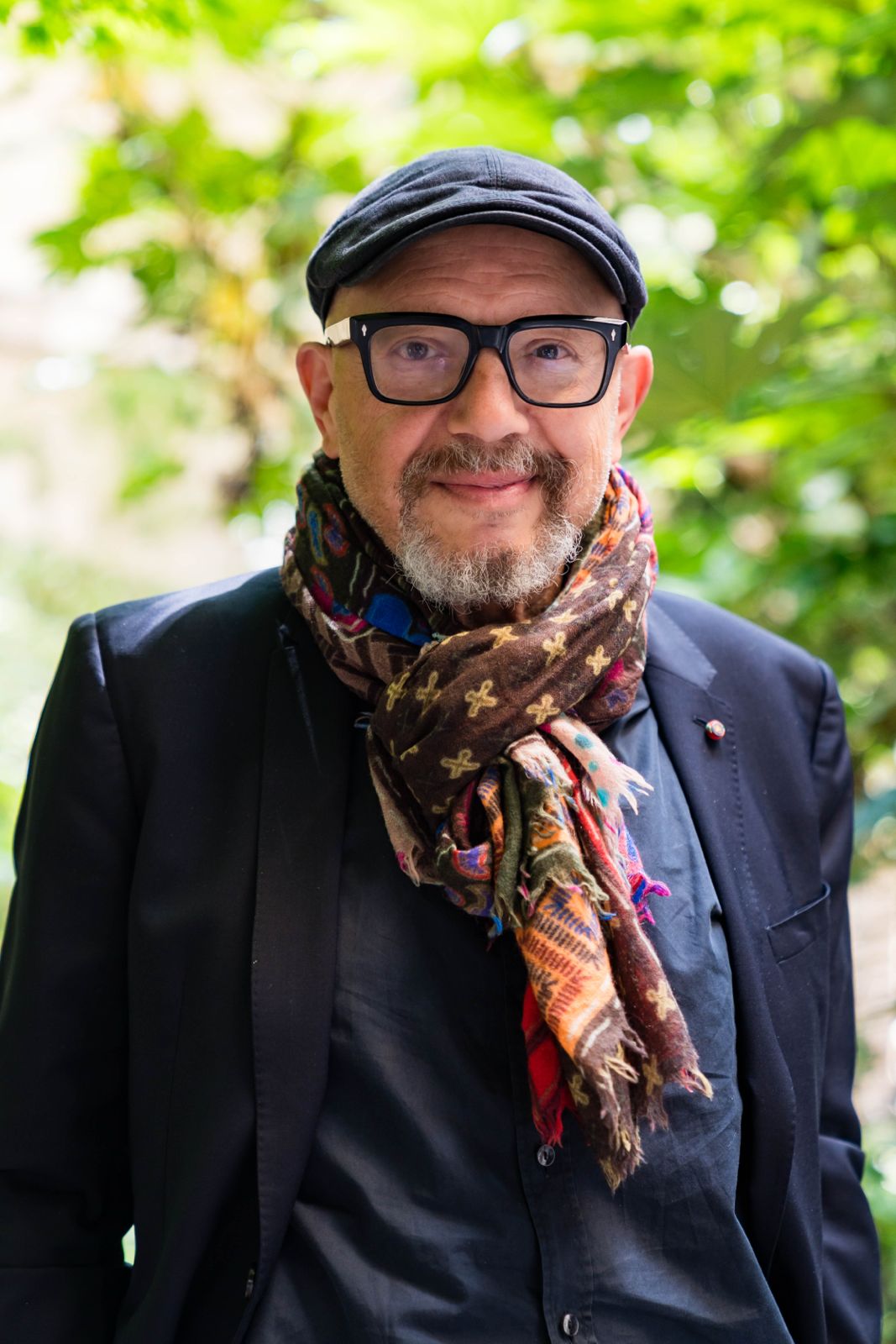
Professor Vincenzo Castronovo
Professor emeritus. Medical doctor, specialist in obstetrics and gynecology, breast specialist and oncologist. PhD in experimental biomedical sciences. Founder of the DU MAPS, a university diploma in nutritional medicine.
- 300+
- scientific papers
- 47 years
- of research
- 20+
- international awards
- 10,000+
- professionals trained
Entry requirements
Physicians, pharmacists, nurses, dietitians, midwives, physical therapists and other licensed healthcare professionals.
Prerequisites: a working grasp of physiology and biochemistry, and familiarity with nutrients and micronutrients.
Cycle 2 is open to holders of the cycle 1 certificate, and, for professionals trained elsewhere, on recognition of prior learning.
A computer, an internet connection and a webcam for the live classes.
The place of this care
The care taught in this program complements oncology treatment. It is never an alternative to it.
It does not replace surgery, chemotherapy, radiotherapy or immunotherapy. It works on tolerance to treatment, quality of life, nutritional status and the patient's physiological ground, alongside the team providing their care.
A small cohort
Part of every live class is given over to cases brought by participants. So that each person can speak, ask questions and share their practice, the cohort is deliberately kept small.
Opening rate, through December 31
The full eighteen-month program and both certificates. Payable in installments.
In installments
€224 a month
€960 deposit, then ten monthly payments. €3,200 in total, instead of €3,600.
In full
€2,900
instead of €3,200
From January, the program is €3,200 paid in full, or €3,600 in ten monthly payments. Teaching begins in late January 2027.
Waiting for the December 24 prize draw? There is no need.
Places are limited and are taken in the order they are booked. If you win the program in the draw, your enrollment is refunded in full, to the payment method you used, within ten days. If you chose installments, the deposit is refunded and the remaining payments are canceled.
Booking now therefore costs you nothing in the draw, and secures your place.
Book your place
Leave us your email to hold your place at the opening rate. You will immediately receive the guide « Ten questions your patients ask, and how to answer them ».
A conversation first
If you want to check that this program fits your practice, your professional status or your schedule, Karine Siaud, who coordinates the program, will answer your questions in a twenty-minute video call. The conversation is held in French.
How the program runs, prerequisites, workload, certification: the conversation carries no obligation.
Book a conversationDetails
Do I need to be a physician to take this program?
No. It is open to all licensed healthcare professionals. Each practitioner then works within the scope their license allows.
What happens if I cannot attend a live class?
Every class is recorded and posted on the platform. You can also send a case in advance so that it is worked through in your absence.
Can I stop at the end of cycle 1?
Yes. Cycle 1 is a complete program with its own certificate. Cycle 2 is a specialization that can be taken later.
Do I already need to be caring for patients with cancer?
That is not a requirement. The three recurring patients let you work through the whole of the clinical reasoning, from diagnosis to tertiary prevention.
Does this program replace oncology treatment?
Under no circumstances. The care taught here complements oncology treatment and is built in contact with the care team.
A question that is not answered here? Book a twenty-minute conversation with Karine Siaud, who coordinates the program. The conversation is held in French.